
Is Learning to Ride a Bike Difficult for Children? Tips
Quick Answer
Learning to ride a bike can be difficult for children because it requires balance, coordination, steering, pedaling, and confidence. Some children learn these skills quickly, while others need more practice and encouragement. A properly sized bicycle, gradual lessons, and a safe learning environment can make the process easier and more enjoyable.
- Balancing is often a major challenge for beginners.
- Children develop cycling skills at different speeds.
- Fear of falling can interfere with learning.
- Practicing balance before pedaling can reduce difficulty.
- Patient guidance helps children develop confidence.
Is learning to ride a bike difficult for children? Many parents ask this question when their child struggles to balance or becomes frustrated during practice.
Understanding what makes cycling challenging can help you identify obstacles and choose a teaching approach that matches your child’s abilities.
Why Is Learning to Ride a Bike Difficult for Children?
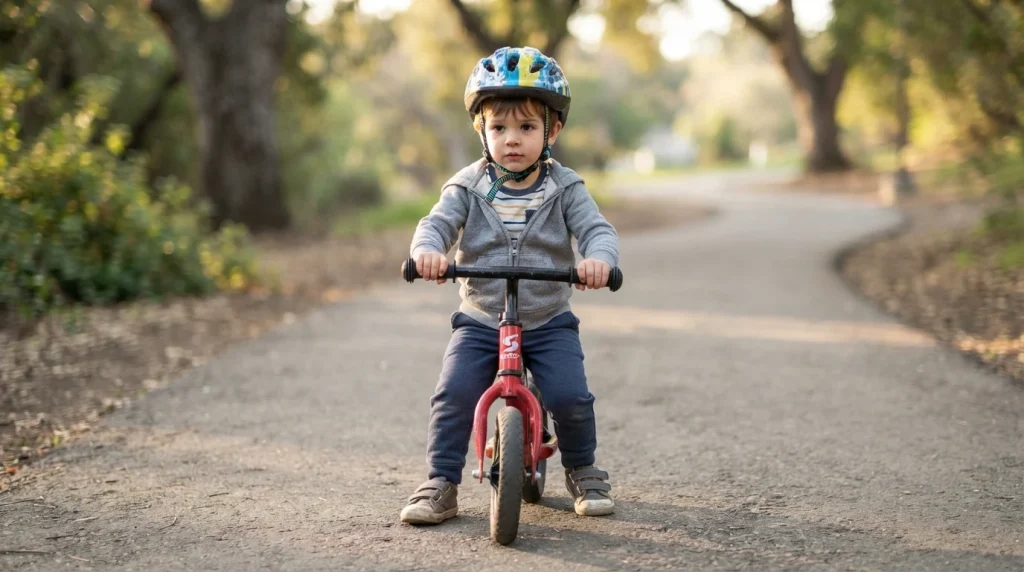
Learning to ride a bicycle is challenging because children must coordinate several physical and mental skills at the same time.
Children must develop balance, coordination, endurance, and confidence. Previous negative experiences can also make learning harder.
Maintaining Balance
Maintaining balance requires children to control their body position while the bicycle moves. Beginners may struggle to correct small movements before the bicycle tilts too far.
A child who can walk and run confidently may still find balancing on a bicycle unfamiliar.
Coordinating Body Movements
Bicycle riding requires children to coordinate their hands, feet, eyes, and body position. They must combine these movements while traveling forward.
Separating these skills during practice can make the overall task easier to understand.
Overcoming Fear of Falling
Fear of falling can make children reluctant to lift their feet or attempt independent riding. A previous fall may increase their hesitation.
Small, achievable challenges can help children regain confidence without feeling pressured.
Developing Steering and Braking Skills
Steering and braking require children to control the bicycle while watching their surroundings. These skills become easier as children gain experience with basic bicycle movement.
Learning to stop independently is as valuable as learning to move forward.
What Factors Affect How Difficult Cycling Is for Children?
The difficulty of learning to ride depends on physical readiness, emotional confidence, bicycle fit, previous experience, and the practice environment.
The following table identifies common learning barriers and practical adjustments parents can make.
| Learning Factor | Common Difficulty | Helpful Adjustment |
|---|---|---|
| Balance | Frequent wobbling | Practice gliding |
| Coordination | Difficulty combining movements | Practice skills separately |
| Confidence | Fear of falling | Use gradual challenges |
| Bicycle fit | Poor control | Use an appropriately sized bike |
| Practice surface | Unsteady movement | Choose smooth, level ground |
Identifying the main obstacle allows you to adapt lessons instead of repeating an activity your child finds overwhelming.
Why Do Some Children Learn to Ride Faster Than Others?
Children learn to ride at different speeds because their movement skills, experiences, confidence, and motivation vary.
A child with previous balance bike experience may find independent balancing familiar. Another child may need additional practice before feeling comfortable.
A child’s progress may depend on:
- Previous experience with wheeled toys.
- Balance and body control.
- Comfort with unfamiliar activities.
- Willingness to practice.
- Ability to follow simple instructions.
- Confidence after mistakes.
Comparing children with siblings or friends can create unnecessary pressure. Focus on individual improvements instead of expecting everyone to reach the same milestone together.
How Can You Tell If a Child Is Ready to Learn?
A child may be ready to begin cycling lessons when they show interest, follow basic instructions, and can manage a suitable bicycle comfortably.
Readiness does not require mastering every cycling skill before the first lesson. Instead, it means having a starting point from which those skills can develop.
Look for these practical signs:
- Interest in sitting on or moving a bicycle.
- Comfort wearing a bicycle helmet.
- Ability to reach the ground during balance practice.
- Willingness to try unfamiliar movements.
- Ability to understand instructions about stopping.
Children who resist every attempt may benefit from spending more time becoming familiar with their bicycle before structured lessons begin.
Does Bicycle Size Make Learning More Difficult?
An incorrectly sized bicycle can make learning harder by limiting a child’s ability to control, steer, mount, or stop the bike.
A bicycle that is too large may feel intimidating. A bicycle that is difficult to maneuver can also make simple practice activities frustrating.
Check whether your child can comfortably reach the handlebars and operate the brakes. During early balance practice, adjust the saddle so their feet can rest securely on the ground.
As independent pedaling improves, the saddle position may need further adjustment for comfortable riding.
Tip
Check saddle height before each learning stage, and keep the seat post within its marked adjustment limits.
Do Balance Bikes Make Learning Easier?
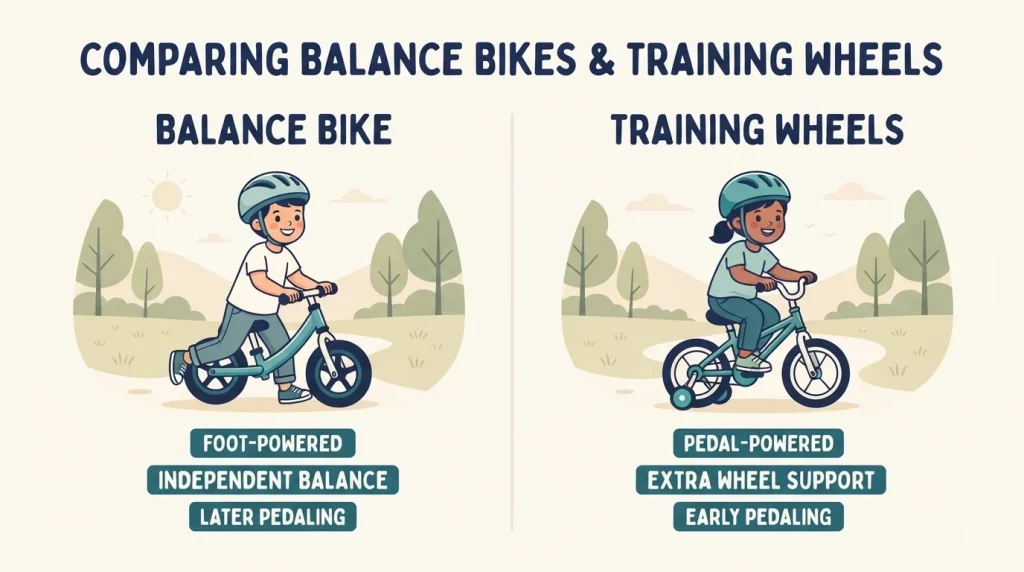
Balance bikes can make learning easier by allowing children to develop steering and balance without having to pedal simultaneously.
Children can begin by pushing against the ground and gradually develop the confidence to glide with their feet raised.
Balance Bike
Best for: Learning balance first
- Movement: Foot-powered
- Balance: Independently controlled
- Pedaling: Introduced separately
Training Wheels
Best for: Practicing supported pedaling
- Movement: Pedal-powered
- Balance: Supported by extra wheels
- Pedaling: Introduced early
Both approaches separate some parts of cycling. The appropriate method depends on which skills your child finds most challenging.
How to Make Learning to Ride a Bike Easier for Children
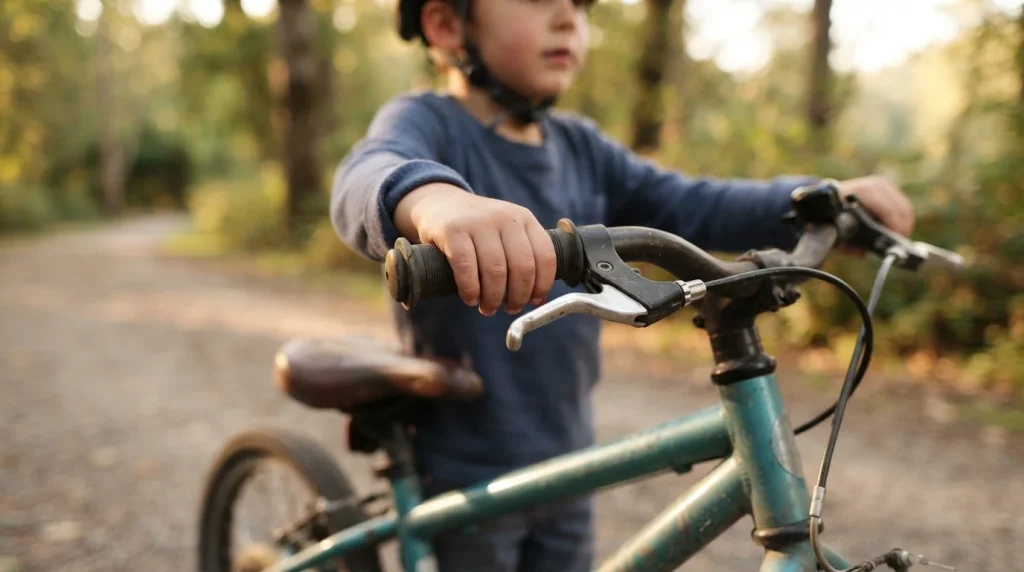
Learning becomes more manageable when parents introduce cycling skills gradually instead of expecting children to master everything during the first lesson.
Follow these stages at a pace that keeps your child comfortable and motivated.
Step 1
Prepare the Bicycle
Choose a suitable bicycle, check its brakes, and provide a properly fitted cycling helmet.
Step 2
Practice Sitting and Walking
Let your child sit comfortably and move the bicycle forward using their feet.
Step 3
Introduce Gliding
Encourage your child to lift their feet briefly when they feel comfortable balancing independently.
Step 4
Practice Controlled Stopping
Help your child become familiar with the bicycle’s braking system before progressing to independent pedaling.
Step 5
Introduce Pedaling
Add pedaling practice once your child can manage balance and basic stopping confidently.
Step 6
Develop Independent Control
Practice starting, steering, and stopping in a supervised environment until these movements become familiar.
Allow your child to become comfortable with each learning stage before progressing to more challenging activities.
How Long Does It Take Children to Learn to Ride a Bike?
There is no fixed learning period because children develop bicycle control and confidence at different rates.
Progress may be uneven. A child might improve their balance during one lesson but need additional practice before combining balance with pedaling.
Instead of setting a deadline, look for improvements in specific abilities, including:
- Starting without physical assistance.
- Gliding with greater confidence.
- Following a chosen direction.
- Maintaining controlled movement.
- Stopping without help.
These improvements provide more useful feedback than measuring progress against another child’s learning schedule.
What Should Parents Avoid When Teaching Children to Ride?
Parents should avoid teaching approaches that increase fear, reduce independent control, or place unrealistic expectations on children.
Common mistakes include:
- Choosing a bicycle that does not fit the child.
- Continuing lessons when the child becomes exhausted.
- Introducing complex instructions too early.
- Comparing progress with other children.
- Providing more physical support than the child needs.
- Practicing in distracting or unsuitable locations.
Respond to mistakes with calm instructions and give your child opportunities to attempt familiar tasks independently.
Warning
Beginners may lose control unexpectedly. Keep practice away from moving vehicles, steep slopes, and crowded pathways.
When Should You Seek Additional Help?
Additional support may be useful when a child continues struggling with cycling despite suitable equipment, adapted lessons, and opportunities to practice.
Difficulty riding a bicycle alone does not establish a developmental condition. However, broader concerns involving movement, balance, or everyday coordination deserve professional attention.
A pediatrician or pediatric occupational therapist can help assess persistent difficulties and suggest activities suited to your child’s individual needs.
Kids Balance Bikes
A suitably sized balance bike allows children to practice steering and balancing before introducing pedaling.
Frequently Asked Questions
Is it normal for older children to struggle?
Older children can experience difficulty learning to ride, especially when they have limited previous cycling experience or confidence. Age alone does not guarantee bicycle control. Adapt the starting activities to their abilities and avoid making them feel embarrassed about learning later than their friends.
Can children learn without using training wheels?
Children can learn to ride without training wheels by developing independent balance before practicing pedaling on a conventional bicycle. A balance bike provides one way to develop these skills. A suitable pedal bicycle can also be adapted for balance practice when its pedals are safely removed.
Is grass good for learning bicycle control?
Grass is not always suitable for beginner cycling because soft or uneven ground can make forward movement more difficult. A smooth, level, traffic-free surface generally allows easier rolling. Choose a supervised location with enough open space for your child to practice turning and stopping safely.
Can a child learn with poor coordination?
Children with coordination difficulties may learn bicycle riding through adapted activities that match their individual movement abilities and confidence. Breaking the task into smaller movements can reduce frustration. Children with persistent or significant difficulties may benefit from personalized advice from a pediatric occupational therapist.
Should children practice riding a bike every day?
Daily bicycle practice can be suitable when a child enjoys the activity and remains comfortable, interested, and physically capable. Frequent practice should not become an obligation. Allow rest when your child experiences fatigue or frustration, and resume lessons when they feel willing to participate.
Can bicycle lessons help a nervous child?
Structured bicycle lessons can help nervous children develop confidence through manageable challenges and guidance suited to their individual abilities. An experienced instructor may offer an alternative teaching approach. Choose lessons that prioritize safety, patient communication, and gradual skill development rather than rapid results.
Conclusion
Is learning to ride a bike difficult for children? Cycling can be challenging, but appropriate equipment, patient teaching, and gradual practice can make learning more manageable. If your child struggles, identify the specific skill causing difficulty and practice that skill before progressing to more complex movements.
